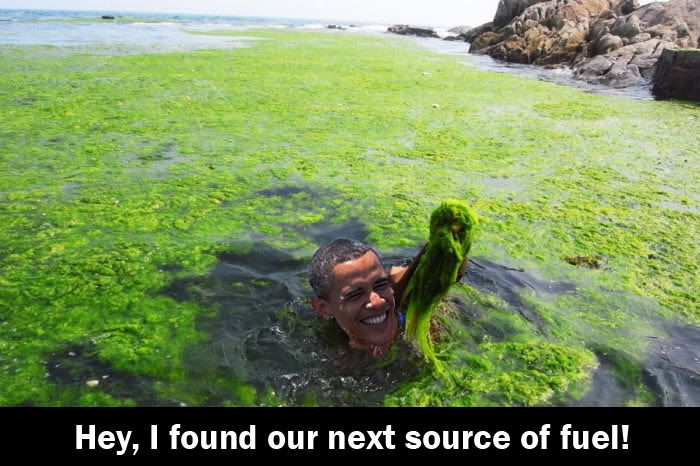
As a geologist, I feel like maybe I could weigh in a bit on this conversation.
I went to a recruiting event at BP last week where they gave us a talk about the prospects and future direction of the company. The consensus in the oil and gas industry is that it is not a sunset industry. Prices are rising and demand is increasing. In OECD countries (first world) we are becoming much more efficient with our fuel usage, such that, even with population growth we should not be using much more fossil fuels than we are currently over the next 40 years. The growth in energy consumption is centered in China and India where lack of regulations on energy efficiency along with rampant economic growth are unabated.
This means that we are going to need a lot more energy in the future. The representatives I met at BP basically told us that oil is going to remain at production levels similar to now, however, it will become a smaller part of the energy pie. Basically, alternatives will not only become a reality, but will become a necessity because we need the added energy input to keep up.
Future prospects include:
The north Atlantic region where Arctic sea ice is receding due to climate change. In the past we have not been able to drill here because it was simply too difficult. With changing environmental conditions, this has become a new frontier in the search for hydrocarbons.
Continental shelf of Brazil (sub salt). Until recently, conventional drilling operations were constrained to rock strata that were more shallow than the deep salt sections found on the continental shelf of Brazil. We could not get coherent seismic information because the salt scattered the sound waves and too much information was lost. Furthermore, salt is too unstable to drill through. Modern advancements in technology has side-stepped these problems and now companies are finding more oil than ever thought to exist. Brazil is set to become the next oil super-power. The reservoir off of their coast could contain up to 30% of the world's supply and not only that, it's the good stuff, it's extremely low in sulfur and is isotopically light.
Oil sands, natural gas etc. As prices rise, more unconventional approaches become attainable. The cost of heating and centrifuging oil sands, as well as fracking subsurface rock formations has become less of a limiting factor.
Finally, to say that drill baby drill is the answer is a little simplistic. What I don't think people realize is the gargantuan effort required to implement a hydrocarbon drilling site. From discovery to inception it is a 10 to 15 year process. Although the US could drill unabated, we realistically just don't know what the world will be like in that time frame. It is possible that drilling could lower prices eventually, but it is totally speculative, and it would not solve our problems in the short-term.