

fishonjazz
Well-Known Member
Contributor
2018 Award Winner
2019 Award Winner
20-21 Award Winner
2022 Award Winner
2023 Award Winner
2024 Award Winner
2025 Award Winner


 abcnews.go.com

Trump is so funny! Sad that so many just don't understand his comic genius.Vance says Trump was ‘joking’ about hating enemies during memorial for Charlie Kirk | ABC4 Utah https://share.google/6UmqmZXFPxvJb7963
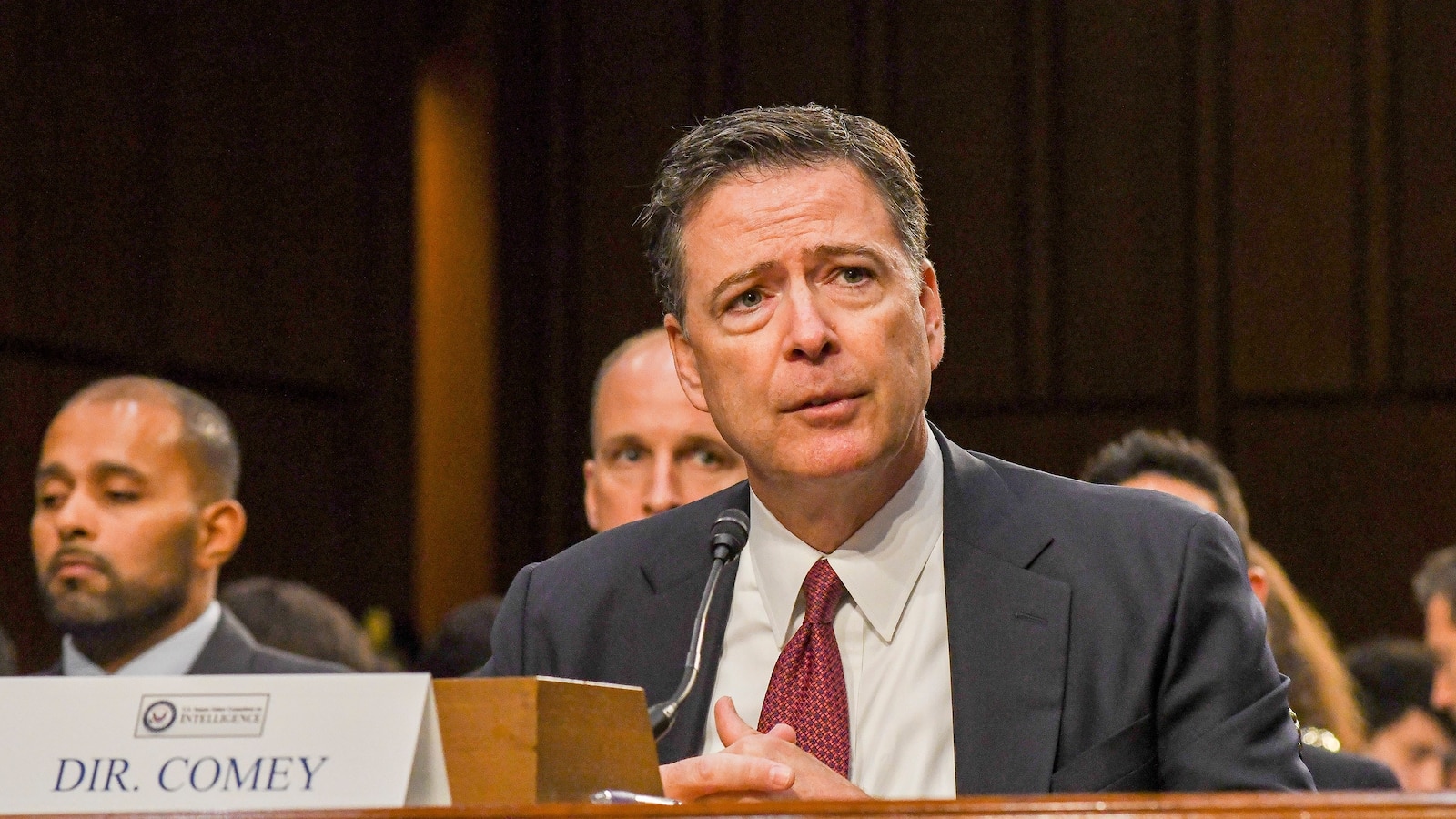
trumps former personal attorney huh? Thats a shocker.Newly appointed US attorney will attempt to charge James Comey despite prosecutors finding no probable cause: Sources
The new U.S. attorney in Virginia is planning to ask a grand jury to indict former FBI Director James Comey for allegedly lying to Congress, sources said.
Donald Trump’s handpicked U.S. Attorney in Virginia is planning to ask a grand jury in the coming days to indict former FBI Director James Comey for allegedly lying to Congress, despite prosecutors and investigators determining there was insufficient evidence to charge him, sources with direct knowledge of the probe told ABC News.
Earlier this week, prosecutors presented Lindsey Halligan -- Trump’s former personal attorney whom he appointed to lead the United States Attorney’s Office for the Eastern District of Virginia -- with a detailed memo recommending that she decline to bring perjury and obstruction charges against Comey, the sources familiar with the memo said.
A monthslong investigation into Comey by DOJ prosecutors failed to establish probable cause of a crime -- meaning that not only would they be unable to secure a conviction of Comey by proving the claims beyond a reasonable doubt, but that they couldn’t reach a significantly lower standard to secure an indictment, the sources said.

ya the right better turn down the rhetoric or we'll murder more of them- am I right?Trump is so funny! Sad that so many just don't understand his comic genius.
Did you ever hear the joke about how much Trump hates his enemies? Classic! Had me in stitches.
It seems to be the case, no doubt. In the case of Homan, there is a tape showing him accepting the bribe. Getting a hold of that tape might help. I say “might”. These things usually get released somehow. Hope that happens with Homan. He hasn’t denied it so far, but is laughing it off.MSN
www.msn.com
Tom Homan, the White House border czar, allegedly accepted $50,000 in cash from undercover FBI agents posing as business executives during a sting operation last year, according to MSNBC. The payment was made after Homan implied that he could help the agents secure government contracts in a second Trump administration.
In layperson’s terms, this is what bribery looks like: officials promising favors in exchange for money.
The investigation related to Homan — which was launched during the Biden administration and was first reported by MSNBC this past weekend — was only recently shut down by FBI Director Kash Patel and Deputy Attorney General Todd Blanche.
The Homan story raises a question that has come up over and over again since President Donald Trump catapulted himself to the White House: Do American voters actually care about corruption? After all, Trump has so far gotten away with maintaining unprecedented conflicts of interest, accepting gifts from foreign governments, and turning the presidency into a giant cash grab. And despite his history of fraud and corruption, he still won a second term last November.
Yet polls consistently indicate that a majority of Americans think that corruption is a serious problem that plagues Congress, the presidency, and the Supreme Court. And there’s evidence that corruption scandals can drag down politicians. One recent example is Eric Adams, the mayor of New York City, who was indicted last year on corruption charges. An overwhelming majority of New Yorkers believe that Adams should resign, and his reelection bid seems all but doomed: Most recent polls show Adams’s support is in single-digits.
So why is it that no level of corruption in the Trump administration — no matter how brazen or how high up it goes, from Homan to other members of Trump’s Cabinet to the first family and the president himself — seems to ever stick?
Public shaming can be a powerful weapon for citizens protesting their government. It creates an environment that makes the shamed person lose legitimacy, and it puts pressure on institutions or other people in power to take action. And the prospect of public shaming likely deters some politicians from taking shortcuts or engaging in petty corruption, not out of principle or ethics but out of fear of getting caught. After all, public shaming was a tool that ultimately helped push many politicians to resign in disgrace, from President Richard Nixon to former New York Gov. Andrew Cuomo.
Trump has discovered that not caving to shame eventually leads people to let go and move on. His seeming inability to feel shame has allowed him to plow through scandals — like the Access Hollywood tape — that would have easily ended other politicians’ careers. It’s also allowed him to maintain a sprawling web of conflicts of interest without feeling the need to answer to anyone. Throughout his time in politics, Trump has shown little remorse for his misdeeds, and his strategy to simply power through scandals, often with no apologies, has proven remarkably effective.
Also, there is the cult factor of course.
