Bro thAT wikipedia explanation is literally 10x ******** than the one I gave above discussing lines, weights and tones... People not discussing composition is like a big red-flag that its consumers speaking and not producers..
Have you ever seen Tokyo Story(1953)? It's considered by many critics to be the greatest film ever made, It's top10 on all the big lists..
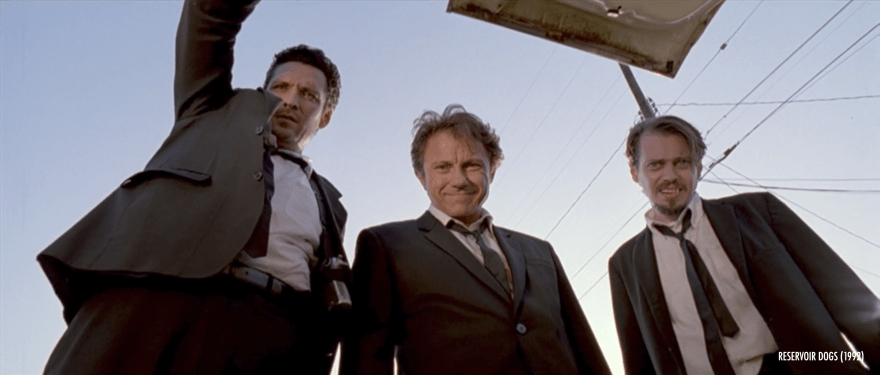
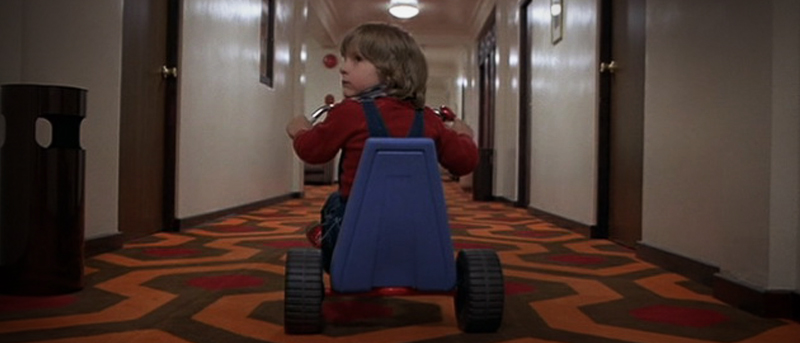
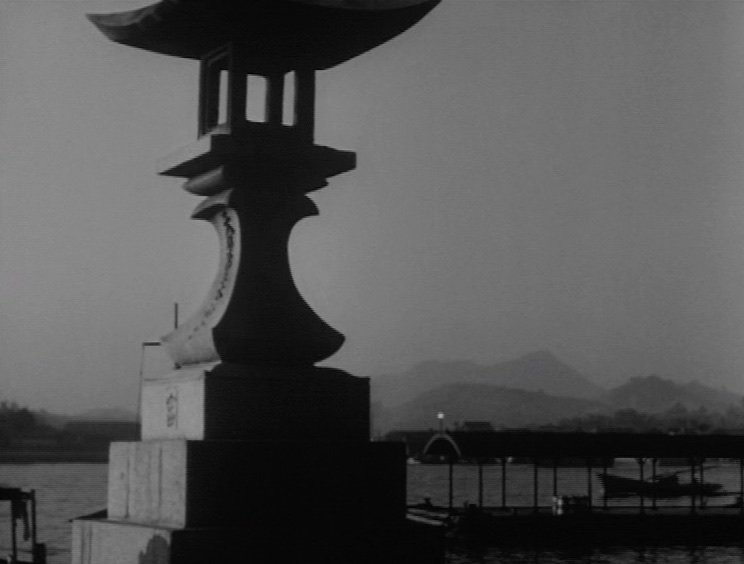
Consistently the low angle shots are not what you guys are describing...
Plus like what about Low Angle shots with no people in them? then your guys explanation does n't even apply, right? Its not a thorough explanation after-all...
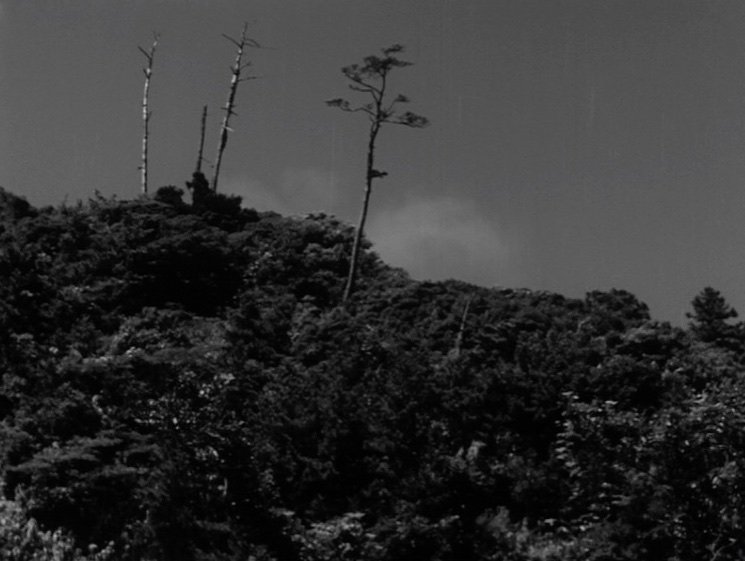
this is some shot to establish dominance?, to make the tree over the mountain look more imposing? thats obviously not the purpose of this shot, this is flashed after the father and daughter have a big fight and illustrates the fragility and defiance of the daughter...
In garbage *** movies, like lets say the Jason Bourne action movies, where the camera is constantly jittering and moving and the average length of the scene is 2 seconds... yes the low-angle shots are gonna be used to do exactly what y'all are trying to pigeon-hole here... But thats just one application (and a *****yone at that)..
Those bourne movies where the scene lenght is 2.5 seconds and then 2 seconds is a perfect counterpoint to what im talking about with Yasujirō Ozu's films... In a movie like that where they are butchering the whole thing down to try and get it to a managable 120 minutes for their no-attention-span-having audience.
In actual films, ones made for storytelling purposes and not mass consumption, you'll see more creative uses, like Ozu, who's average length of scene has gotta be closer to 10 seconds.. In lots of films thse angles are used as 'establishing shots' in Ozu's films thats not really how it is, there's something more poetic and patterened about it..combined with the lack of camera movement, there's clearly a pacing element involved..
Watch a Tokyo Story... These Low angle shots are used poetically in a chain of scenes to grasp their effect... Listen to the conversation before this shot is flashed... You'll see clearly in that moment that these angles arent just used for what you're saying they are...
just cause your accustomed to something doesnt mean thats how it is... hollywood certainly is out to force feed the masses ****** example after ****** example so its easy to see how this sorta mistake is widespread.